




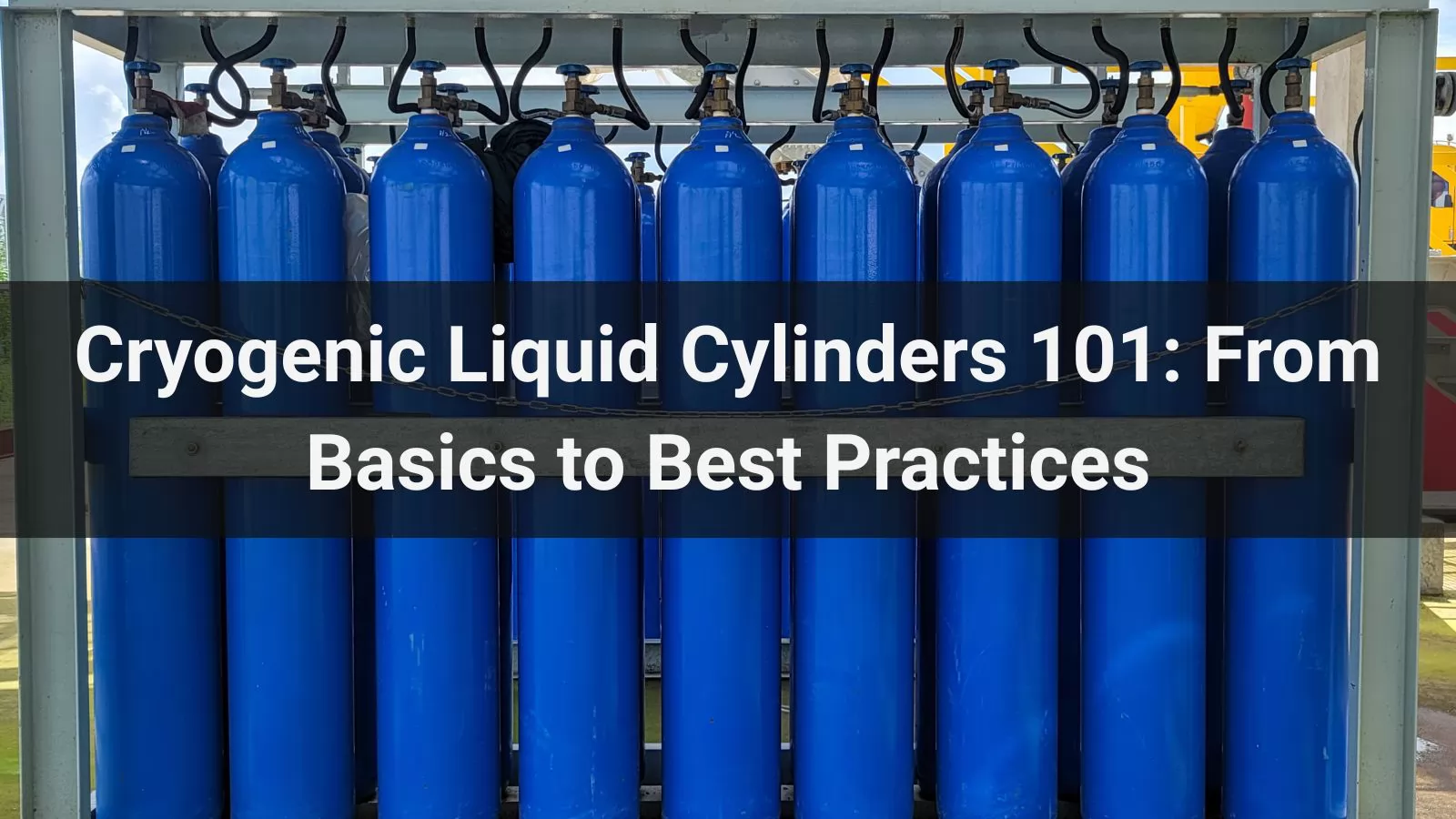
Problem: Managing and transporting ultra-cold liquefied gases like nitrogen, oxygen, and argon is one of the most demanding challenges in modern industry.
Agitation: Relying on outdated or poorly designed storage solutions often leads to rapid pressure buildups, dangerous thermal leaks, and excessive gas boil-off. Every cubic meter of gas lost to evaporation is money evaporating from your bottom line, not to mention the severe safety hazards and operational downtime it can cause.
Solution: High-performance cryogenic liquid cylinders are the ultimate answer to these industrial bottlenecks. Engineered with advanced multi-layer vacuum insulation, these highly specialized vessels maintain extreme thermal efficiency. This comprehensive, in-depth guide walks you through the fundamentals, precise engineering principles, industry applications, sizing parameters, and essential safety protocols to ensure optimal performance and longevity for your cryogenic equipment.
At its core, a cryogenic liquid cylinder (historically referred to as a Dewar flask, named after its inventor Sir James Dewar) is a highly sophisticated, double-walled, vacuum-insulated pressure vessel. These cylinders are exclusively designed to store, transport, and dispense liquefied gases at extremely low temperatures—typically plummeting well below -150°C (-238°F).
The fundamental challenge of cryogenics is heat transfer. Heat naturally travels from a warmer environment (ambient room temperature) to a colder one (the liquid inside the tank). If left unchecked, this thermal energy will cause the cryogenic liquid to rapidly boil, turn back into a gas, and create immense internal pressure. Cryogenic cylinders utilize a combination of heavy-duty materials, near-perfect vacuums, and reflective barriers to stop all three forms of heat transfer: conduction, convection, and radiation. By doing so, they maintain the liquid phase stability of the product for weeks at a time.
Different industrial processes require different gases. Understanding the specific boiling points and liquid-to-gas expansion ratios of these substances is critical for both operational efficiency and safety. The primary benefit of liquefying these gases is volumetric efficiency; a small amount of liquid converts into a massive amount of usable gas.
Modern cryogenic cylinders are marvels of mechanical engineering. To fully appreciate their value, one must look at the cross-section of their components. Every element is designed with a single goal: to minimize the Normal Evaporation Rate (NER) and maintain working pressure.
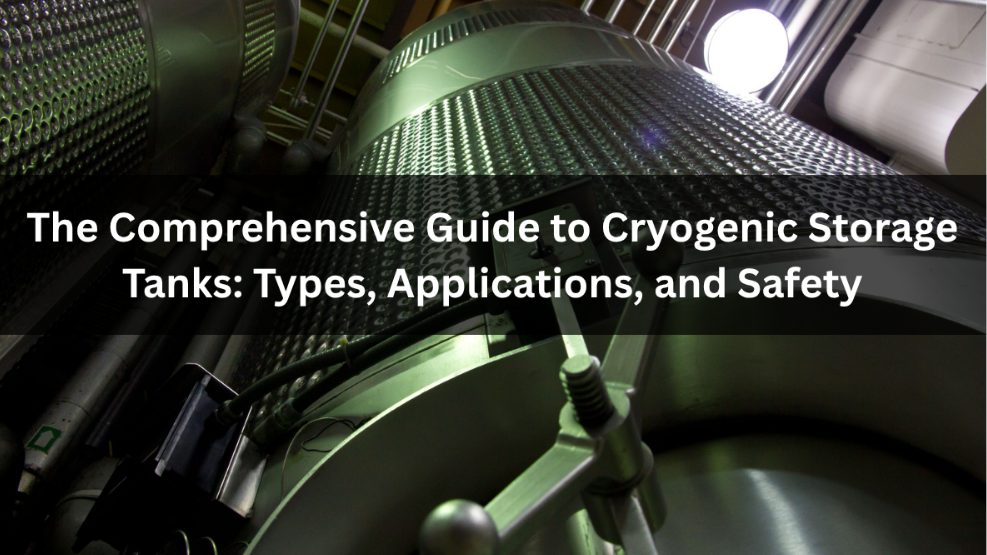
The Inner Vessel is strictly manufactured from high-grade austenitic stainless steel (typically 304L or 316L). This specific steel alloy prevents embrittlement—meaning it will not shatter or crack under the extreme stress of ultra-cold temperatures. It is also highly polished to maintain purity. The Outer Jacket provides mechanical support, protects the internal vacuum, and is usually made of carbon steel or durable stainless steel.
The space between the inner and outer vessel is evacuated to form a high vacuum, eliminating convection heat transfer. However, vacuum alone cannot stop radiant heat. Therefore, engineers pack this annular space with Multi-Layer Insulation (MLI). MLI consists of alternating layers of reflective aluminum foil (to bounce back radiant heat) and non-conducting spacer materials like fiberglass.
Furthermore, chemical "Getters" are placed inside this vacuum space. Over years of use, metals can slowly release trapped molecules (outgassing), which would slowly ruin the vacuum. Getters actively absorb these stray molecules, ensuring the vacuum remains intact for a decade or more.
The cylinder head features a complex manifold system. It includes a Pressure Building Valve, which takes a small amount of liquid, runs it through an ambient vaporizer coil attached to the inside of the outer shell, turns it to gas, and feeds it back into the top of the tank to maintain head pressure. It also features dual safety systems: a Pressure Relief Valve (PRV) that vents excess gas if pressure climbs too high, and a backup Rupture Disc that bursts to prevent catastrophic vessel failure in emergency scenarios.
Choosing the right cryogenic cylinder involves understanding your volumetric flow requirements and deciding whether your application requires liquid or gas. Standard cylinder capacities typically range from 175 Liters up to 450 Liters.
If your application requires gas (such as for welding or purging), you will use the Gas Withdrawal Valve. The liquid is drawn up through a built-in internal vaporizer coil where ambient room heat converts the liquid to a warm gas before it reaches the outlet. If your application requires extreme cold (such as cryotherapy or shrink-fitting metal parts), you will use the Liquid Withdrawal Valve, which draws directly from the bottom of the tank via a dip tube.
Pro Tip for Buyers: Pay close attention to the cylinder's designated operating pressure. A low-pressure cylinder (e.g., 22 bar) is generally used purely for liquid dispensing, while medium-to-high pressure cylinders (up to 37 bar) are required if you intend to draw high volumes of gas continuously.
Many facilities hesitate to switch to liquid cylinders due to the initial equipment cost. However, a quick ROI analysis reveals massive long-term savings in labor, space, and gas costs.
| Performance Metric | Cryogenic Liquid Cylinder (e.g., 175L) | Standard High-Pressure Gas Cylinder |
|---|---|---|
| Storage Capacity | Holds the equivalent of 15 to 20 heavy gas cylinders. Drastically reduces ordering frequency. | Low gas capacity. Requires constant monitoring and frequent production-halting changeouts. |
| Operating Pressure & Safety | Low to medium pressure operations. Inherently safer against explosive rupture from impact. | Extremely high pressure (up to 300 bar / 4500 psi). Acts like a torpedo if the valve is snapped off. |
| Footprint & Labor | High space efficiency. One operator can easily move a liquid cylinder on a specialized cart. | Requires massive storage cages. High labor cost in constantly moving heavy steel blocks. |
The versatility of cryogenic cylinders makes them indispensable across a staggering variety of modern industries. Let's look at how specific gases are applied in the real world.
Important Transition Note: As your business grows, handling dozens of individual liquid cylinders can become logistically taxing. If your industrial gas consumption scales up, upgrading to a centralized bulk system is the next logical step. As highly regarded cryogenic tank manufacturers and the premier supplier of the renowned China Cryogenic Storage Tank, CryoTech provides massive, stationary microbulk and bulk installations. These tanks are filled directly by delivery trucks, eliminating cylinder handling entirely.
Working with extreme temperatures requires absolute respect for physics. The safety hazards associated with cryogenic liquids fall into three main categories: extreme cold, asphyxiation, and pressure buildup.
Contact with cryogenic liquids or cold boil-off gases can instantly freeze skin tissue, resulting in severe cryogenic burns that resemble thermal burns. Unprotected eyes are particularly vulnerable. Operators must wear appropriate PPE (Personal Protective Equipment) at all times: loose-fitting cryogenic gloves (which can be easily shaken off if liquid spills inside), a full-face shield over safety glasses, long-sleeved shirts, and cuffless trousers worn over sturdy boots (so liquid doesn't pool inside the shoe).
Because cryogenic liquids expand so massively when turning into gas (up to 860 times their volume), a small leak in a confined space can rapidly displace the breathable air in a room. Nitrogen and argon are odorless, colorless, and tasteless. If oxygen levels drop below 19.5%, personnel can lose consciousness without any warning signs. Facilities must install Oxygen Deficiency Monitors in areas where cylinders are stored. Conversely, a leak of Liquid Oxygen (LOX) causes oxygen enrichment. If ambient air reaches >23.5% oxygen, materials that normally wouldn't burn (like asphalt or heavy clothing) can instantly ignite from a static spark. Absolutely no oils, greases, or combustible hydrocarbons can be allowed near LOX fittings.
To ensure safety, cylinders must be constructed according to strict international codes. Top-tier cylinders comply with standards such as the US Department of Transportation (DOT 4L), ASME Section VIII (Boiler and Pressure Vessel Code), and the European Transportable Pressure Equipment Directive (TPED). Never use a cylinder that is past its requalification date or lacks certification stampings.
Even the best-engineered cylinders require monitoring. Recognizing the early signs of a problem can prevent expensive gas loss and safety hazards. Here is an advanced diagnostic guide for common issues:
Implementing cryogenic technology requires more than just buying a tank; it requires investing in a system that guarantees safety, minimizes boil-off losses, and delivers reliable pressure when your production lines need it most. By understanding the engineering behind the insulation, knowing how to properly size your vessel, and adhering strictly to safety protocols, you can unlock incredible operational efficiencies.
When you are ready to upgrade your facility, partnering with an experienced manufacturer is vital. As an industry-leading Cryogenic Cylinder Manufacturers and recognized cryogenic container manufacturers, CryoTech utilizes state-of-the-art helium mass spectrometer leak testing and automated orbital welding to craft cylinders with industry-low evaporation rates.
If you are seeking customizable capacities, advanced multi-layer vacuum technology, and equipment that strictly adheres to global ISO, ASME, and DOT standards, we are here to support your transition.
Q: How long can a cryogenic cylinder hold liquid nitrogen without venting?
A: Depending on the cylinder's volume, the quality of its multi-layer insulation, and its specific Normal Evaporation Rate (NER), a standard 175L high-quality cylinder can typically hold liquid nitrogen for 3 to 4 weeks before the internal pressure naturally builds high enough to trigger the safety relief valve, assuming no gas is actively being withdrawn.
Q: What is the typical operating pressure inside a liquid cylinder?
A: Operating pressures are dictated by the application and the pressure relief settings. Low-pressure liquid dispensing cylinders usually operate around 22 bar (320 psi). Medium to high-pressure cylinders, designed to push high volumes of gas through vaporizers, can operate at pressures up to 37 bar (500 psi). The pressure building circuit automatically maintains this working pressure during use.
Q: Can I transport a cryogenic cylinder lying down to save space?
A: Absolutely not. Cryogenic liquid cylinders are engineered with their gas phase spaces and pressure relief devices located at the very top of the internal tank. Transporting or laying them on their side will submerge the safety valves in freezing liquid. If pressure rises, the safety valves will vent extremely cold liquid instead of gas, causing catastrophic damage and severe safety risks. They must always remain strictly upright.
Q: How do I know how much liquid is left in the cylinder?
A: Most cylinders are equipped with an analog or digital capacitance liquid level gauge on the top manifold. Unlike high-pressure gas cylinders where you can read the pressure to gauge volume, cryogenic cylinders maintain a constant head pressure regardless of liquid level. The level gauge measures the physical height of the liquid inside via a float or sensor.
Q: Are cryogenic cylinders difficult to maintain?
A: Daily maintenance is minimal and mostly consists of visual checks for ice buildup and ensuring valves are free of dirt. However, on a long-term basis (every 5-10 years), the vacuum between the inner and outer walls may slowly degrade due to molecular outgassing. Manufacturers or specialized service centers can perform a vacuum pump-down and replace the internal getters to restore the cylinder to factory specifications.
Q: What should I do if liquid nitrogen spills on my skin?
A: Do not rub the affected area. Move away from the spill immediately. Flush the area with copious amounts of unheated, tepid water (do not use hot water). Seek immediate medical attention, as cryogenic burns destroy tissue similarly to severe thermal burns.








.png)



.png)