


.png)




.png)
4444_1793598916_WNo_1600d900.webp)
Cryogenic storage tanks play an essential role in the safe storage and distribution of industrial gases across industries such as healthcare, chemical processing, metallurgy, energy, and food production. Designed to maintain liquefied gases at extremely low temperatures or controlled pressure conditions, these specialized vessels help preserve product quality, ensure a stable gas supply, and support continuous industrial operations. As demand for reliable gas storage systems continues to grow, selecting suitable equipment has become an important part of industrial facility planning.
This guide provides an overview of cryogenic storage tanks, including their main types, industrial applications, insulation technologies, safety requirements, and relevant pressure vessel standards. It also covers tank capacity selection, system configuration, maintenance practices, and key considerations when evaluating manufacturers. By understanding these factors, buyers and project engineers can make more informed purchasing decisions and identify cryogenic storage solutions that meet their operational requirements and long-term investment goals.
Quick Navigation
- Properties of Common Liquefied Gases
- Four Essential Cryogenic Tank Types
- Crucial Safety and Compliance Requirements
- How to Choose the Right Cryogenic Storage Tank
- Maintenance and Inspection of Cryogenic Storage Tanks
- Why Choose CRYO-TECH?
- Frequently Asked Questions About Cryogenic Storage Tanks
- Secure Your Gas Supply with the Right Cryogenic Storage Solution
Properties of Common Liquefied Gases
Understanding the physical properties of liquefied gases is the first step in selecting a suitable cryogenic storage tank. Different gases have different boiling points, expansion characteristics, material compatibility requirements, and storage conditions. These differences directly affect tank design, insulation performance, pressure control, and operating safety.
Liquid Nitrogen (LIN): Liquid nitrogen has a boiling point of approximately -196℃ at atmospheric pressure. It is widely used in metal processing, food freezing, pharmaceutical manufacturing, laboratory research, and industrial cooling. Its approximate liquid-to-gas expansion ratio is 1:694 under commonly used reference conditions. Storage systems generally require effective vacuum insulation, suitable pressure regulation, and controlled venting.
Nitrogen is chemically inert under normal conditions, but a release can displace oxygen in the surrounding air. This creates an asphyxiation risk, particularly in enclosed or poorly ventilated areas. Facilities using liquid nitrogen should therefore evaluate ventilation, oxygen monitoring, personnel access, and emergency response arrangements.
Liquid Oxygen (LOX): Liquid oxygen has a boiling point of approximately -183℃ at atmospheric pressure and an approximate liquid-to-gas expansion ratio of 1:860. It is commonly used in steel production, medical gas supply, chemical processing, and wastewater treatment. Oxygen storage equipment requires oxygen-compatible materials and strict hydrocarbon-free cleaning because oil, grease, and other combustible contaminants can create serious hazards.
Oxygen itself is not flammable, but it strongly supports combustion. Materials that burn slowly or are difficult to ignite in normal air may burn much more vigorously in oxygen-enriched environments. For this reason, oxygen storage and transfer systems require carefully controlled material selection, cleaning procedures, and operating practices.
Liquid Argon (LAr): Liquid argon boils at approximately -186℃ at atmospheric pressure, with an approximate liquid-to-gas expansion ratio of 1:840. It is used in welding, metal manufacturing, electronics production, and laboratory applications. High-performance insulation and reliable pressure control help maintain stable storage conditions and reduce product losses.
Argon is an inert gas, but it can displace oxygen when released in an enclosed space. Storage locations should be assessed for ventilation and oxygen-deficiency risks. The tank, valves, pipelines, and associated equipment should also be suitable for the specified cryogenic temperature and operating pressure.
Liquid Carbon Dioxide (LCO₂): Carbon dioxide has a sublimation point of approximately -78.5℃ at atmospheric pressure. Unlike nitrogen, oxygen, and argon, carbon dioxide cannot exist as a liquid at atmospheric pressure. Commercial liquid CO₂ is therefore stored under pressure at controlled temperatures. Its storage system must account for the relationship between pressure and temperature, suitable vessel design, and potential refrigeration requirements.
CO₂ storage applications include food and beverage carbonation, industrial manufacturing, chemical processing, and fire protection systems. Because carbon dioxide can accumulate in low-lying or poorly ventilated areas, buyers should also consider gas detection, ventilation, and safe discharge arrangements. The specified storage pressure and temperature must remain within the equipment's approved operating range.
Liquefied Natural Gas (LNG): LNG is generally stored at approximately -162℃ and has an approximate liquid-to-gas expansion ratio of 1:600, depending on composition and reference conditions. It is widely used in natural gas distribution, industrial energy supply, power generation, and fueling facilities. LNG storage requires cryogenic-compatible materials, double-wall containment, effective insulation, and appropriate flammable-gas safety systems.
LNG is primarily composed of methane and is flammable when mixed with air within its flammable range. Storage facilities therefore require suitable gas detection, emergency shutdown systems, ignition-source control, ventilation, and fire protection measures. The detailed system design should reflect the LNG composition, storage capacity, transfer process, and applicable local requirements.
These properties should be treated as preliminary reference information rather than final equipment specifications. Actual gas volume, storage pressure, operating temperature, and filling limits depend on the gas composition, equipment design, and operating conditions. Buyers should confirm the relevant parameters with qualified engineers before specifying a storage vessel.
When comparing gas storage requirements, it is also important to distinguish between the liquid's physical properties and the vessel's design parameters. Boiling point, expansion ratio, normal operating pressure, maximum allowable working pressure, and permitted filling level describe different aspects of the system. A technically appropriate tank specification should define each relevant parameter clearly.
Four Essential Cryogenic Tank Types
Different industries require different storage capacities, operating pressures, and gas delivery rates. Most industrial procurement managers select from several major cryogenic storage configurations according to consumption volume, delivery frequency, available installation space, and production requirements. Understanding the characteristics of each type can help buyers identify a storage solution that fits their actual operating needs.
1. Microbulk Tanks
Best For: Small-to-medium gas consumers, including laboratories, laser cutting workshops, medical facilities, food processing businesses, and regional manufacturing plants.
Advantages: Microbulk systems provide an alternative to managing large numbers of high-pressure gas cylinders. They can reduce cylinder handling, simplify gas inventory management, and support on-site replenishment by a mobile tanker truck. Depending on the system configuration, they can also provide automated pressure control and continuous gas supply.
For businesses with regular but moderate gas consumption, microbulk storage can help improve supply consistency while reducing the labor associated with frequent cylinder replacement. These systems are particularly useful when a facility needs a more centralized gas supply but does not require the capacity of a large bulk installation.
Before choosing a microbulk tank, buyers should consider average daily consumption, peak demand, delivery frequency, available installation space, and tanker truck access. It is also important to confirm the required vaporization capacity and pressure regulation arrangement.
The physical dimensions and connection arrangement should also be checked against the installation site. Buyers should confirm whether the proposed system includes the required filling connections, pressure-building equipment, level indicators, safety devices, and outlet connections. A clear scope of supply helps avoid unexpected costs during installation.
2. LNG Storage Tanks
Best For: LNG peak-shaving stations, natural gas fueling facilities, industrial energy supply systems, and gas-fired power generation.
Advantages: LNG storage tanks are designed to maintain natural gas in its liquefied state at extremely low temperatures. Typical systems use double-wall construction, with an inner vessel made from materials suitable for cryogenic service and an outer vessel providing structural protection and insulation containment.
LNG storage installations require more than a tank alone. Depending on the application, the complete system may include pressure-building equipment, vaporizers, pressure regulation units, gas detection, emergency shutdown devices, and suitable venting arrangements. These components work together to maintain the required storage conditions and provide gas at the pressure and flow rate needed by downstream equipment.
Because LNG is flammable, the layout must also account for separation distances, ignition sources, ventilation, emergency access, and applicable fire protection requirements. Buyers should confirm the design scope of the entire installation rather than evaluating the storage vessel in isolation.
For LNG projects, it is particularly important to define the required gas delivery rate and the operating conditions of downstream equipment. Vaporizer selection, pressure regulation, and control arrangements should be coordinated with the tank capacity and expected consumption profile. The complete installation should be reviewed as one integrated gas supply system.
3. LCO₂ Storage Solutions
Best For: Food and beverage carbonation, industrial manufacturing, chemical processing, welding applications, and fire protection systems.
Advantages: Liquid carbon dioxide is generally stored under pressure at temperatures considerably higher than those used for liquid nitrogen or liquid oxygen. The required operating pressure depends on the selected storage temperature and the equipment design. Commercial LCO₂ storage systems may use insulated pressure vessels and refrigeration equipment to maintain the required storage conditions.
Unlike atmospheric cryogenic liquids, carbon dioxide must be managed with careful attention to its pressure-temperature relationship. Changes in ambient temperature, filling conditions, and gas consumption can influence vessel pressure and operating behavior.
Procurement teams should confirm the intended storage temperature, maximum allowable working pressure, refrigeration requirements, filling arrangement, pressure relief design, and required CO₂ purity with the equipment manufacturer. The system should also be designed to prevent unsafe pressure conditions in pipelines and equipment where liquid carbon dioxide may become trapped.
The intended application also affects the required CO₂ quality and delivery configuration. Food and beverage facilities may have specific purity and hygiene requirements, while industrial processes may prioritize continuous supply and stable pressure. Buyers should identify these requirements before requesting a quotation so the supplier can recommend an appropriate configuration.
4. Large Bulk Storage Tanks
Best For: Air separation plants, steel mills, petrochemical facilities, large hospitals, chemical production sites, and centralized industrial gas distribution stations.
Advantages: Large bulk storage tanks are available in vertical or horizontal configurations and are designed for high-volume, continuous industrial gas supply. Depending on the gas and installation requirements, they can store thousands of gallons of liquid oxygen, nitrogen, or argon.
These systems are usually integrated with vaporizers, transfer pipelines, pressure regulation equipment, and monitoring instruments. Their capacity should be determined by average consumption, peak demand, replenishment lead time, emergency reserve requirements, and the available site area.
For large industrial facilities, bulk storage can reduce the frequency of deliveries and support more stable production schedules. However, the larger investment also requires careful planning of foundations, transportation, lifting, pipeline routing, safety distances, and maintenance access.
Before installation, project teams should evaluate the full delivery route from the unloading point to the storage location. Access for tanker trucks, crane positioning, foundation preparation, pipeline connections, and maintenance operations can all influence the final tank layout. These site conditions should be reviewed before the equipment configuration is finalized.
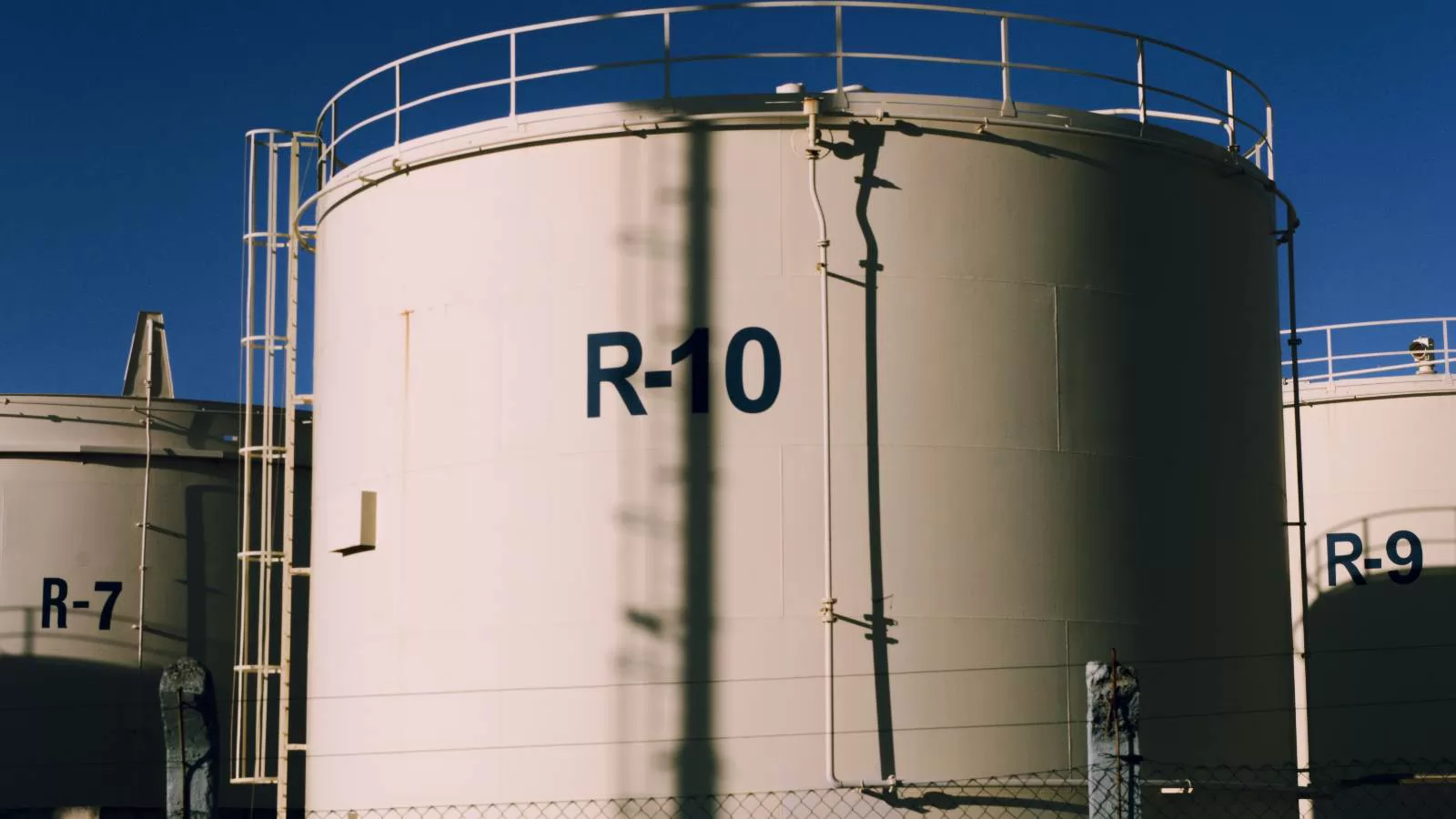
When comparing different tank types, consider the complete operating process rather than storage volume alone. A properly selected system should provide sufficient usable inventory, reliable gas delivery, manageable replenishment requirements, and suitable protection for the stored gas.
Other factors, such as future production expansion, delivery vehicle availability, local climate, and maintenance resources, should also be considered. A tank that meets today's demand but cannot accommodate foreseeable production changes may lead to additional investment later. Discussing expected future demand during the design stage can help determine a more practical storage configuration.
Crucial Safety and Compliance Requirements
Cryogenic liquids can expand significantly when they vaporize. Heat entering a storage vessel or transfer pipeline can therefore cause pressure to increase, making pressure management one of the most important parts of cryogenic system design. A professional installation must consider the properties of the stored gas, vessel design pressure, operating conditions, ventilation, and emergency protection measures.
Safety should be addressed throughout the equipment lifecycle, including engineering design, manufacturing, transportation, installation, commissioning, routine operation, and maintenance. A compliant pressure vessel alone does not guarantee that the complete installation is safe. Piping, valves, electrical equipment, gas detection, venting, and operating procedures must also be suitable for the specific application.
1. Pressure Relief and Overpressure Protection
Cryogenic storage tanks and associated equipment must have suitable pressure protection. Pressure relief valves and, where specified by the applicable design code, rupture discs help prevent pressure from exceeding the allowable limits of the protected equipment.
Relief devices must be selected according to the gas, operating temperature, design pressure, possible failure scenarios, and required discharge capacity. Their installation should also prevent blockage, icing, and accidental isolation. Any pipeline or equipment section in which cryogenic liquid could become trapped between closed valves should receive appropriate thermal expansion protection.
Relief discharge arrangements should direct released gas to a location where it can disperse safely without exposing personnel, equipment, building openings, or ignition sources to unacceptable risks. The discharge route and vent outlet location should be evaluated during the engineering design stage.
Operators should understand the purpose and location of each pressure protection device. Warning signs, operating instructions, and maintenance procedures should make clear that required relief devices must not be blocked, modified, or isolated while the protected equipment remains in service.
2. Vacuum Insulation Integrity
Many industrial cryogenic vessels use a double-wall structure with an evacuated insulation space between the inner and outer vessels. This vacuum insulation reduces heat transfer and helps limit liquid evaporation during storage.
If the vacuum deteriorates because of leakage, damage, or other failures, heat transfer may increase. The result can include higher evaporation rates, abnormal pressure behavior, and increased demand on pressure relief equipment. Buyers should ask manufacturers about vacuum testing, insulation performance, inspection procedures, and available maintenance support.
External frosting or unexpected temperature changes may indicate an insulation problem, although these symptoms should be assessed by qualified technicians rather than treated as a definitive diagnosis. Regular operating records can help identify changes in evaporation behavior and support early maintenance planning.
When evaluating insulation performance, buyers should request documented test conditions rather than relying on a single performance figure. Tank capacity, ambient temperature, initial filling conditions, pressure settings, and measurement methods can all affect the reported holding time or evaporation rate.
3. Material Compatibility and Cleanliness
Materials used in cryogenic equipment must remain suitable at the minimum design temperature. Some conventional metals, plastics, and elastomers can lose toughness or become brittle at extremely low temperatures. Material selection should therefore consider low-temperature mechanical properties, thermal contraction, corrosion resistance, and compatibility with the stored gas.
Liquid oxygen systems require additional attention to cleanliness. Oil, grease, and other combustible contaminants can create serious hazards in oxygen-enriched environments. Components used in oxygen service should meet the applicable oxygen-cleaning and material compatibility requirements.
For LNG systems, material selection must account for cryogenic temperatures and the mechanical properties required during normal operation and potential abnormal conditions. Seals, valves, pipe connections, and instrumentation should also be suitable for the specified service conditions.
Material certificates and manufacturing records can help buyers verify that the selected components match the approved design. Replacement parts should also meet the original service requirements. Using a component that is not rated for the required temperature, pressure, or gas compatibility can compromise the integrity of the system.
4. Ventilation and Gas Detection
A leak or uncontrolled release can create an oxygen-deficient or oxygen-enriched atmosphere, depending on the gas involved. Nitrogen and argon can displace breathable air, while oxygen leakage can intensify combustion. LNG releases introduce flammable-gas hazards.
Storage areas should therefore be assessed for ventilation, gas detection, access control, emergency shutdown arrangements, and safe vent discharge locations. Indoor installations and confined or partially enclosed spaces require particular attention to the consequences of an accidental release.
Gas detection equipment should be selected according to the specific hazard and installed in locations determined by a qualified risk assessment. Personnel working near cryogenic equipment should receive appropriate training on gas hazards, personal protective equipment, emergency procedures, and safe operating practices.
Emergency planning should identify alarm response actions, evacuation routes, isolation procedures, and communication responsibilities. Personnel should know how to respond to abnormal pressure readings, suspected leaks, gas alarms, and unexpected venting. Site-specific emergency procedures should be established before the storage system is placed into service.
5. Applicable Pressure Vessel Standards
Before purchasing a cryogenic tank, confirm which pressure vessel codes, product regulations, inspection requirements, and local installation rules apply to the intended destination. Commonly referenced frameworks include:
- ASME Boiler and Pressure Vessel Code, Section VIII: Provides design and construction requirements for pressure vessels within its scope. It is widely used for pressure vessel projects in North America and other international markets.
- CE/PED 2014/68/EU: The European Pressure Equipment Directive establishes requirements for the design, manufacture, and conformity assessment of pressure equipment within its scope.
- GB 150: China's pressure vessel standard series, which is relevant to pressure vessel design and manufacture in the Chinese market.
These standards are not interchangeable certifications. The applicable requirements depend on the equipment category, gas service, design pressure, destination market, and project specifications. Buyers should request the relevant design documents, material certificates, inspection records, and conformity documentation before accepting a vessel.
Compliance should also be considered at the installation level. Foundation design, piping connections, electrical equipment, fire protection, operating procedures, and inspection schedules may be subject to additional local requirements. Confirming these requirements early can help prevent costly changes during project construction or commissioning.
For international projects, buyers should clarify the required code and documentation package before production begins. The supplier should understand the intended destination market and provide documentation that can be reviewed by the relevant project engineers, inspectors, or authorities. This helps reduce the risk of discovering compliance gaps after manufacturing or delivery.
How to Choose the Right Cryogenic Storage Tank
Selecting a cryogenic tank requires more than comparing nominal capacity or purchase price. A suitable system must match the gas consumption profile, operating conditions, installation environment, and long-term production plan. The following factors can help procurement teams prepare a more accurate technical specification.
1. Identify the Gas and Required Storage Conditions
Start by confirming the exact gas to be stored, its purity requirements, and the intended application. Liquid nitrogen, oxygen, argon, LNG, and carbon dioxide have different temperature, pressure, material compatibility, and safety requirements. A tank designed for one gas should not automatically be assumed suitable for another.
Specify the required storage temperature, normal operating pressure, design pressure, filling method, and gas delivery conditions. For oxygen service, include the required cleanliness and compatibility specifications. For LNG, include the relevant flammable-gas safety requirements.
Buyers should also clarify whether the tank will be used for continuous operation, intermittent demand, reserve storage, or a combination of these functions. This information helps determine the required pressure control arrangement, vaporizer configuration, and operating flexibility.
2. Calculate Storage Capacity and Consumption
Storage capacity should reflect actual demand rather than only the average daily consumption. Consider production schedules, peak gas usage, delivery intervals, seasonal fluctuations, and the amount of reserve required if a scheduled replenishment is delayed.
A useful preliminary calculation is to estimate the liquid inventory needed to cover the expected consumption during the replenishment interval, then add an appropriate operational reserve. The final tank capacity and filling limits must be confirmed against the tank manufacturer's specifications and applicable regulations.
Buyers should distinguish between the tank's nominal capacity and its usable filling volume. The permitted filling level depends on the gas, temperature, pressure, tank design, and applicable safety requirements. A system that appears sufficiently large based only on nominal capacity may not provide the required usable inventory.
It is also useful to consider the consequences of supply interruptions. Facilities with critical production processes may need additional reserve capacity or an alternative supply arrangement. The appropriate reserve depends on delivery reliability, the importance of uninterrupted operation, and the cost of production downtime.
3. Compare Insulation and Evaporation Performance
Insulation performance affects product loss, operating cost, and pressure stability. Vacuum insulation, multi-layer insulation, and other insulation arrangements are selected according to the gas, tank size, and system design.
Ask suppliers for documented evaporation or holding-time data, the conditions under which the figures were measured, and the method used to verify vacuum performance. Avoid comparing boil-off figures without checking whether the tank capacities, test conditions, and measurement methods are equivalent.
For facilities with low or intermittent gas consumption, storage holding time may be especially important. For facilities with continuous high-volume consumption, vaporization capacity and the ability to maintain stable outlet pressure may have a greater influence on overall system performance.
Buyers should also ask how insulation performance is monitored and what procedures are available if abnormal heat leakage is suspected. Clear maintenance guidance can help operators identify changes in performance and arrange professional inspection before a minor issue develops into a larger operational problem.
4. Evaluate the Complete Gas Supply System
A storage vessel is only one part of an industrial gas supply installation. Depending on the application, the system may also require vaporizers, pressure regulators, manifolds, pipelines, valves, instrumentation, control cabinets, and monitoring equipment.
An integrated solution can simplify equipment coordination, installation planning, and commissioning. However, buyers should verify the scope of supply carefully, including which components are included, which site connections are required, and which services are provided by the manufacturer.
Pay particular attention to the interface between the storage tank and downstream equipment. The required outlet pressure, gas flow rate, vaporizer performance, control logic, and emergency shutdown arrangement should be defined before equipment selection is finalized.
The system should also be evaluated under both normal and peak demand conditions. A tank with sufficient inventory may still fail to meet process requirements if the vaporizer or pressure regulation equipment cannot provide the required flow rate. Coordinating the performance of each component is essential for a stable gas supply.
5. Check Installation Space and Site Conditions
Before confirming the tank configuration, evaluate the available footprint, foundation, access for delivery vehicles, lifting arrangements, maintenance clearance, pipeline routing, and local environmental conditions. Vertical tanks may reduce ground space requirements, while horizontal configurations may be more suitable for certain site layouts.
The installation plan should also account for safe access to valves and instruments, relief discharge locations, ventilation, fire protection where applicable, and the separation distances required by local codes.
Transportation and installation should be considered during the initial planning stage. Large vessels may require special transport arrangements, suitable lifting equipment, and adequate access roads. Confirming these requirements before ordering can reduce installation delays and additional project costs.
Site conditions such as ambient temperature, wind exposure, rainfall, corrosive environments, and seismic requirements may also influence equipment selection and installation details. Buyers should provide accurate site information to the manufacturer so that the proposed configuration can be reviewed against actual operating conditions.
6. Compare Total Cost of Ownership
The purchase price is only one part of the investment. A complete cost evaluation should include transportation, installation, commissioning, energy consumption, gas losses, inspection, maintenance, spare parts, and expected service life.
A lower-priced tank may not be the most economical option if it has higher evaporation losses, limited technical support, or expensive maintenance requirements. Request a detailed quotation that clearly identifies the equipment scope, performance parameters, warranty terms, and after-sales responsibilities.
When comparing quotations, use the same technical requirements for every supplier. Differences in tank capacity, design pressure, insulation performance, included accessories, certification scope, and commissioning services can make apparently similar offers difficult to compare.
It is helpful to prepare a supplier comparison checklist covering technical compliance, equipment scope, delivery schedule, warranty coverage, spare parts availability, and service support. This provides a more consistent basis for evaluating quotations and helps prevent important requirements from being overlooked during procurement.
7. Review Manufacturer Experience and Technical Support
The manufacturer's engineering capability is an important part of the purchasing decision. Buyers should evaluate whether the supplier understands the intended gas service, can provide suitable technical documentation, and has experience with comparable equipment configurations.
Ask about design review, manufacturing inspection, pressure testing, vacuum testing, packaging, delivery arrangements, installation guidance, and after-sales support. Clear communication during the quotation stage can help identify technical gaps before they become project problems.
A reliable supplier should also be able to explain the equipment's operating limits, maintenance requirements, recommended spare parts, and documentation package. These details help buyers assess long-term serviceability rather than focusing only on the initial purchase.
Before placing an order, clarify the communication process for technical questions, the expected response time for service requests, and the availability of replacement components. For overseas projects, buyers should also confirm the arrangements for remote technical assistance and any on-site support included in the contract.
Maintenance and Inspection of Cryogenic Storage Tanks
Regular inspection and preventive maintenance help maintain storage performance and reduce the risk of unexpected equipment downtime. The maintenance plan should follow the manufacturer's instructions, the applicable pressure vessel regulations, and the site's operating procedures.
Because cryogenic tanks operate under low-temperature and often pressurized conditions, maintenance should be planned around the equipment's specific design. Operators should not attempt to repair pressure boundaries, adjust safety devices, or modify vacuum systems without the appropriate qualifications and approved procedures.
1. Routine Operating Checks
- Monitor tank pressure, liquid level, temperature, and other available operating indicators.
- Check for abnormal frosting, unexpected venting, unusual noise, visible damage, or changes in evaporation behavior.
- Inspect valves, pipe connections, instruments, and accessible supports for signs of leakage or deterioration.
- Record operating data and investigate unusual changes instead of relying only on visual checks.
- Confirm that warning labels, operating instructions, and emergency contact information remain visible and accessible.
Operating personnel should be familiar with the normal pressure and liquid-level ranges of the equipment. Any unexpected change should be investigated according to the site's operating procedures rather than corrected through unauthorized adjustments.
A routine inspection checklist can help ensure that operating checks are completed consistently across shifts. The checklist should identify the relevant instruments, inspection points, acceptable operating ranges, and the procedure for reporting abnormal conditions.
2. Pressure Relief Device Inspection
Pressure relief devices are critical safety components. Their inspection, testing, replacement, and maintenance intervals should be determined by the applicable code, equipment documentation, and qualified inspection personnel. Never block, modify, or isolate a required relief device while the protected equipment remains in service.
Inspection should confirm that the devices are suitable for the stored gas and operating conditions, that discharge routes remain unobstructed, and that the equipment has not been altered in a way that compromises its protective function.
Records should be maintained for relief device identification, inspection dates, test results, repairs, and replacement activities. Any work involving pressure protection should be performed by qualified personnel following the approved maintenance procedure.
3. Vacuum and Insulation Monitoring
Changes in evaporation rate, pressure behavior, or external surface temperature may indicate a problem with the insulation system. Where the design provides vacuum monitoring or other diagnostic features, follow the manufacturer's inspection procedure and record the results.
Insulation performance is closely related to long-term operating costs. A change in heat leakage may increase gas losses and place additional demands on pressure management equipment. Keeping historical operating data makes it easier to identify abnormal trends and arrange professional assessment when necessary.
Operators should avoid attempting to restore or adjust the vacuum insulation system without manufacturer-approved procedures. If abnormal frosting, unexpected pressure increases, or changes in holding performance occur, the equipment should be assessed by qualified service personnel.
4. Valve, Pipeline, and Instrument Maintenance
Valves, pipelines, regulators, pressure gauges, level indicators, and temperature instruments are essential to reliable gas transfer. Their condition should be checked according to the equipment manufacturer's instructions and the facility's preventive maintenance plan.
Components exposed to cryogenic temperatures must remain suitable for their intended service. Damaged insulation, loose connections, instrument failures, or unsuitable replacement parts can affect system performance and safety. Repairs should be completed by qualified personnel using approved materials and procedures.
Instrument calibration should also be included in the maintenance schedule where required. Accurate pressure, temperature, and liquid-level readings help operators monitor inventory, maintain stable gas delivery, and identify abnormal operating conditions.
5. Professional Maintenance and Documentation
Maintenance involving pressure boundaries, vacuum systems, relief devices, or cryogenic piping should be carried out by qualified personnel. Keep operating logs, inspection reports, repair records, material documentation, and equipment manuals available for future maintenance and compliance reviews.
A complete maintenance record should identify the equipment inspected, inspection date, findings, corrective actions, replacement components, and the personnel responsible for the work. Good documentation supports regulatory compliance and helps establish a consistent maintenance history throughout the tank's service life.
Facilities should also establish a clear maintenance responsibility structure. Operators can carry out routine monitoring and visual checks within their training, while specialized inspections, pressure equipment examinations, and repairs should be assigned to qualified technicians or authorized service providers.
Why Choose CRYO-TECH?
When sourcing heavy-duty gas systems, buyers need more than a standalone steel tank. They need equipment that matches the required gas service, operating conditions, installation environment, and long-term supply targets. CRYO-TECH INDUSTRIAL COMPANY LIMITED provides cryogenic equipment and integrated gas supply solutions for industrial applications.
Instead of coordinating separate suppliers for tanks, piping, vaporizers, and control equipment, buyers can explore integrated, skid-mounted Turnkey Gas Supply Solutions designed around their project requirements.
The CRYO-TECH Advantage
"Our engineering team designs complete, skid-mounted systems containing vacuum insulated cryogenic vessels, ambient air vaporizers, pressure regulation manifolds, and PLC control systems—pre-assembled and tested before leaving our factory."
- Integrated System Design: A coordinated solution can bring storage vessels, vaporizers, pressure regulation equipment, and control systems together within one project scope, helping simplify equipment coordination.
- Customized Engineering: System configuration can be evaluated according to required gas flow, storage capacity, available installation space, operating pressure, and destination-market requirements.
- Factory-Level Communication: Direct communication with the manufacturer can help buyers clarify technical specifications, equipment configuration, production requirements, and project documentation.
- Project-Oriented Support: Discussing the complete gas supply process at the quotation stage can help identify the required auxiliary equipment, installation interfaces, and commissioning arrangements.
When evaluating CRYO-TECH or any other supplier, request technical drawings, equipment specifications, applicable certification documents, performance data, and a clearly defined scope of supply. These documents make it easier to compare suppliers on engineering suitability rather than price alone.
For a more efficient quotation process, buyers can prepare basic project information in advance, including the gas type, required storage capacity, normal operating pressure, expected gas consumption, installation location, and applicable standards. Providing these details allows the supplier to assess the project more accurately and identify any additional equipment or technical information that may be required.
Buyers should also confirm the proposed delivery scope, inspection arrangements, warranty conditions, operating documentation, and after-sales responsibilities. A clear agreement on these points helps establish realistic expectations before manufacturing and delivery begin.
Frequently Asked Questions About Cryogenic Storage Tanks
1. What is a cryogenic storage tank?
A cryogenic storage tank is a specially designed vessel used to store gases in liquid form at extremely low temperatures or under controlled pressure conditions. Common applications include the storage of liquid nitrogen, liquid oxygen, liquid argon, LNG, and liquid carbon dioxide.
2. What are the main types of cryogenic storage tanks?
Common configurations include microbulk tanks, LNG storage tanks, LCO₂ storage tanks, and large bulk storage vessels. They differ in capacity, pressure rating, insulation arrangement, gas compatibility, and intended application.
3. Why do cryogenic tanks use vacuum insulation?
Vacuum insulation reduces heat transfer between the inner vessel and the surrounding environment. Lower heat input helps limit liquid evaporation and supports more stable storage conditions. Many industrial tanks combine an evacuated space with additional insulating materials.
4. How do I calculate the required cryogenic tank capacity?
Start with average and peak gas consumption, replenishment intervals, delivery lead time, and the reserve inventory required by the facility. The final tank capacity must also account for the permitted filling limit, usable liquid volume, operating pressure, and applicable safety requirements.
5. What is the difference between an LNG tank and a liquid nitrogen tank?
An LNG tank stores liquefied natural gas, which is a flammable fuel, while a liquid nitrogen tank stores an inert gas in liquid form. Their operating temperatures, material specifications, safety systems, and installation requirements are different. A tank must be designed and approved for its intended gas service.
6. What safety devices should a cryogenic storage tank have?
Depending on its design and application, a tank may require pressure relief valves, rupture discs, pressure and level instruments, emergency shutdown arrangements, and suitable venting systems. The exact configuration and relief capacity must be established through engineering calculations and applicable codes.
7. How often should a cryogenic storage tank be inspected?
Inspection frequency depends on the tank design, operating conditions, local regulations, and manufacturer recommendations. Operators should perform routine operating checks, while formal inspections and pressure equipment examinations should follow the applicable regulatory schedule and be completed by qualified personnel.
8. What documents should I request from a cryogenic tank manufacturer?
Ask for the technical datasheet, general arrangement drawing, design pressure and temperature information, material certificates, inspection and testing records, applicable code documentation, operating manual, maintenance instructions, and warranty terms. The exact document package depends on the project and destination market.
9. Can a cryogenic tank be customized?
Many industrial cryogenic systems can be configured according to storage capacity, operating pressure, gas type, orientation, installation space, auxiliary equipment, and control requirements. Any customization must remain within the applicable design code and safety requirements.
10. What is the difference between nominal capacity and usable capacity?
Nominal capacity refers to the tank's stated volume, while usable capacity is the amount of liquid that can be stored and withdrawn within the permitted operating limits. The usable amount depends on the gas, filling limit, pressure range, tank design, and applicable safety requirements. Buyers should confirm both figures when comparing equipment.
11. Can one cryogenic tank store different types of gas?
A cryogenic tank should only be used for the gas service for which it has been specifically designed, manufactured, and approved. Different gases have different temperature, pressure, cleanliness, and material compatibility requirements. Changing the stored gas may require a new engineering assessment and approved cleaning or modification procedures. Buyers should never assume that a tank can be switched to another gas without professional review.
12. What information should I provide when requesting a quotation?
Provide the gas type, required storage capacity, normal operating pressure, expected consumption, installation location, applicable standards, and any requirements for vaporizers or control equipment. Site drawings, delivery access information, and project schedules can also help the manufacturer prepare a more accurate proposal.
Secure Your Gas Supply with the Right Cryogenic Storage Solution
In heavy industry, medical gas distribution, and large-scale manufacturing, reliable gas storage is essential for maintaining production continuity and operational safety. Choosing a suitable cryogenic storage tank requires careful evaluation of gas properties, storage capacity, insulation performance, pressure protection, material compatibility, and regulatory requirements.
Instead of comparing equipment by purchase price alone, evaluate the complete system and its long-term operating costs. A well-designed solution should match your actual consumption, support safe operation, and provide a practical maintenance and inspection plan.
If you are planning a new gas storage installation or upgrading an existing supply system, contact CRYO-TECH to discuss your gas type, required capacity, operating pressure, site conditions, and project specifications.