




1. The Challenge of Sub-Zero Storage
4. Crucial Safety and Compliance
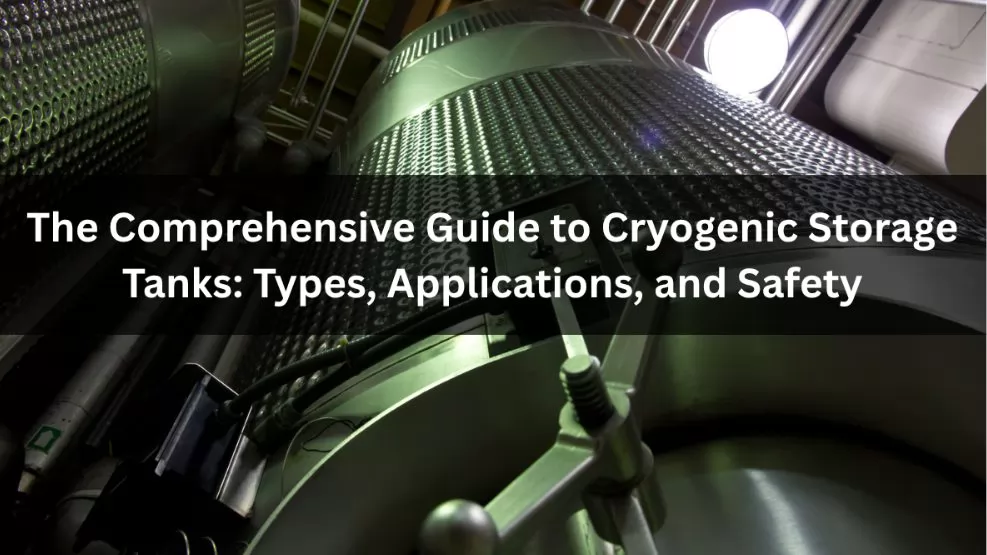
Storing gases like nitrogen, oxygen, argon, carbon dioxide, or natural gas in their liquid form requires specialized engineering. In their liquid state, these gases must be kept at ultra-low, cryogenic temperatures—often well below -150℃.
For industrial gas distributors, hospitals, and heavy manufacturing plants, the main challenge is managing thermal efficiency. Any heat leaking into a storage vessel causes rapid vaporization (boil-off), leading to product loss and dangerous pressure build-up. Minimizing this boil-off gas (BOG) requires heavy-duty cryogenic storage tanks built to perform under extreme pressures and temperatures.
The Vacuum Barrier: Standard insulation is not enough for cryogenic liquids. These vessels rely on high-vacuum engineering to virtually eliminate conductive and convective heat transfer.
A high-performance cryogenic storage tank is essentially a giant "vacuum bottle." It is built with a double-walled structure engineered to block out ambient heat:
The Inner Vessel:
The Outer Jacket: Made of carbon steel or stainless steel to act as a vacuum barrier and protect the insulation layer.
The Insulation Space:
Self-Pressurizing Systems: When discharging liquid, a portion of the liquid is routed through an external pressure-building coil. It vaporizes and goes back into the top of the tank to maintain constant, stable discharge pressure.
Different industries require different storage scales. Most B2B procurement managers select from these four core tank categories:
Best For:
Advantages: Microbulk systems offer a smart alternative to high-pressure gas cylinders. They eliminate cylinder handling, reduce gas waste, and can be refilled on-site by a mobile tanker truck.
Best For:
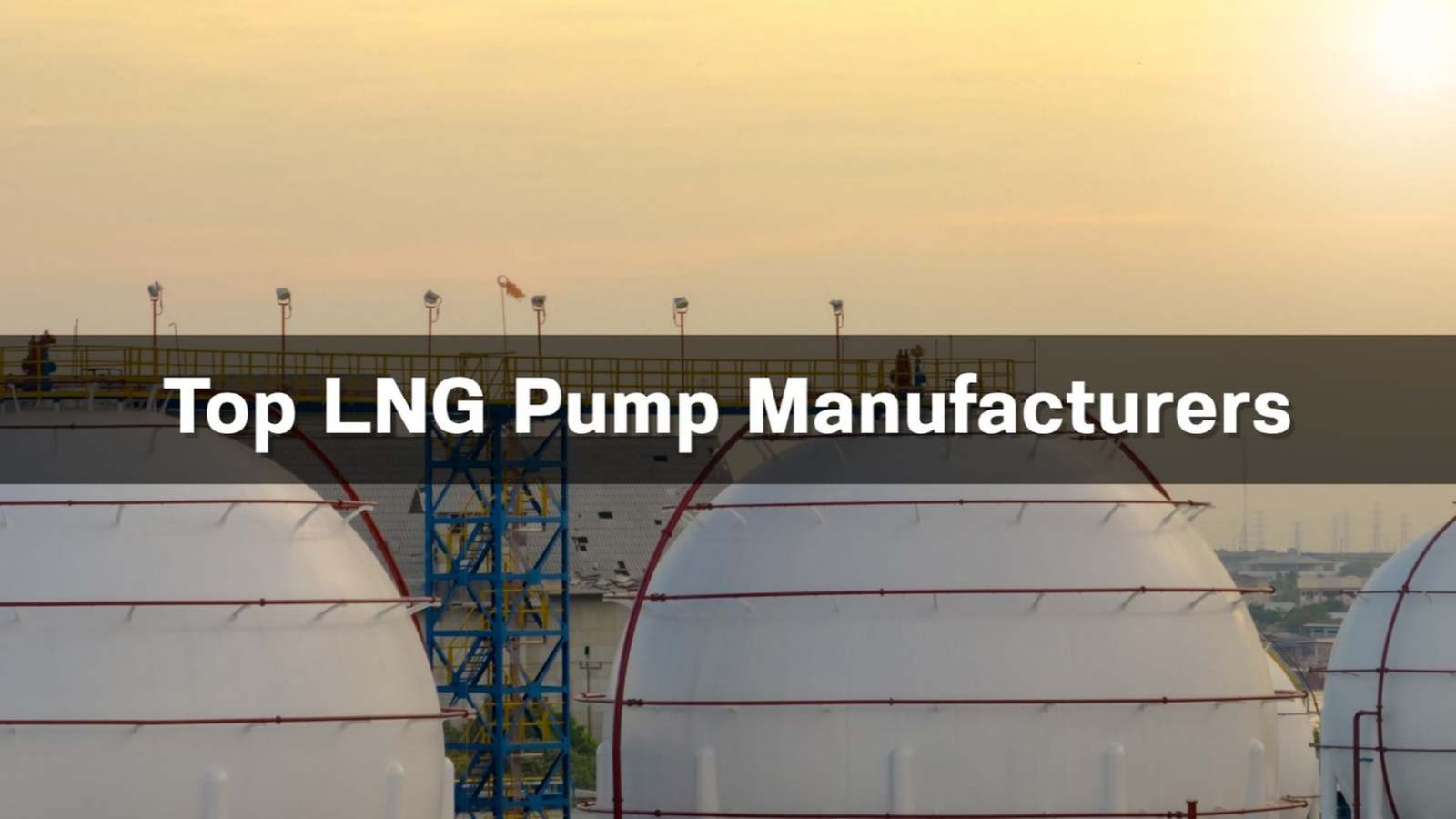
Advantages: These heavy-duty LNG storage tanks feature double-walled containment structures optimized for storing massive volumes of fuel safely.
Best For:
Advantages: Unlike other cryogens, liquid carbon dioxide is stored at higher temperatures (typically -20℃ to -40℃) and higher pressures. These tanks feature thick-walled low-temperature carbon steel vessels and often include active refrigeration units to keep the pressure stable.
Best For:
Advantages: Available in horizontal or vertical configurations, these high-capacity vacuum insulated cryogenic vessels hold thousands of gallons of LOX, LIN, or LAr for continuous industrial operations.
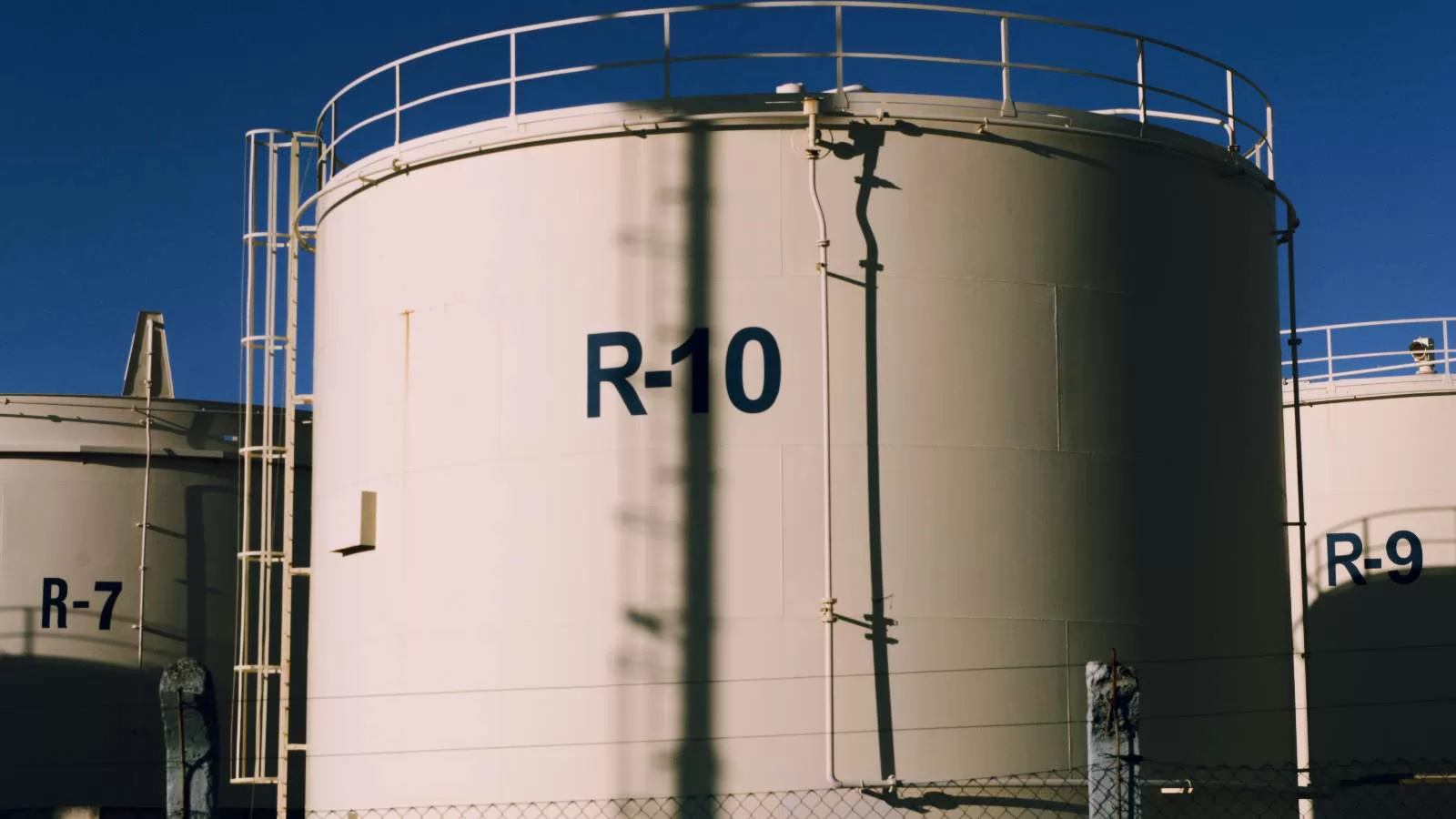
Because cryogenic liquids expand dramatically when vaporized, safety is the single most important factor in system design.
Dual Relief Valve Systems: Every tank must have primary and secondary safety relief valves mounted on a diverter valve. If one valve requires maintenance, the other remains active to prevent accidental over-pressurization.
Bursting Discs:
Global Standards: For legal and safe operation, ensure your cryogenic tank manufacturer builds and stamps their vessels in accordance with global pressure codes:
ASME Section VIII (Div 1/Div 2): Critical for North American installations.
CE/PED (Pressure Equipment Directive): Required for European Union markets.
GB150: The mandatory standard for Chinese installations.
When sourcing heavy-duty gas systems, you need a partner that offers more than just a steel tank. CRYO-TECH INDUSTRIAL COMPANY LIMITED is a leading global developer of high-end cryogenic equipment and integrated solutions.
Instead of forcing buyers to source tanks, piping, vaporizers, and electronics from different vendors, CRYO-TECH provides fully integrated, skid-mounted Turnkey Gas Supply Solutions.
The CRYO-TECH Advantage:
"Our engineering team designs complete, skid-mounted systems containing vacuum insulated cryogenic vessels, ambient air vaporizers, pressure regulation manifolds, and PLC control systems—pre-assembled and tested before leaving our factory."
Exceptional Vacuum Performance: By implementing advanced vacuum pumping, baking, and sealing techniques, CRYO-TECH tanks achieve some of the lowest daily evaporation rates in the industry, saving you thousands of dollars in gas boil-off.
100% Customized Integration: Every system is tailored to your specific flow rate, space limits, and local pressure codes (ASME, CE, or GB).
Direct Factory Access: By working directly with CRYO-TECH via their official portal, you bypass trading company markups and work directly with specialized design engineers.
In heavy industry and medical gas distribution, mechanical failure is not an option. Investing in a high-quality cryogenic storage tank ensures long-term safety, stable pressure, and minimal product loss.
If you want to build a reliable, high-yield gas supply system, look past standalone components and focus on integrated, turnkey efficiency. Partnering with an expert manufacturer ensures your storage setup is safe, compliant, and cost-effective for decades to come.
Ready to design your custom gas system? Visit CRYO-TECH today to get a free project consultation and quote.








.png)



.png)